
The Engineering Behind High-Compression Refuse Collection Fleets
For modern urban solid waste management and international environmental contractors, maximizing payload capacity per trip and slashing operational overhead remains the ultimate key to profitability. When dealing with loose, bulky municipal solid waste, conventional transport methods often suffer from dismal loading efficiency. This forces trucks to make frequent, repetitive trips between collection points and landfills, inflating fuel expenses and placing immense operational strain on the entire fleet.
Efficient urban sanitation operations require transforming every single truck into a mobile “volume-reduction and payload-optimization center.”
This is exactly why global municipal tenders and large-scale fleet procurements are increasingly dependent on high-compression refuse collection vehicles. This article will provide an in-depth breakdown of the hardcore manufacturing craftsmanship behind modern compactor garbage trucks, road sweeping trucks, and self-loading garbage trucks, helping you select premier operational assets that drastically lower your Total Cost of Ownership (TCO).
1.Principles Behind Volume Reduction
During waste collection, loose refuse occupies too much space. Transporting it without pre-treatment quickly fills the hopper while the actual chassis tonnage capacity remains underutilized, leading to poor fleet fuel economy.
To eliminate this bottleneck, high-compression garbage trucks integrate multi-stage hydraulic packing mechanisms within the rear hopper. Once refuse is deposited, a heavy-duty packer plate driven by high-pressure hydraulic cylinders executes a downward stroke, delivering initial mechanical crushing of bulky, irregularly shaped waste.
Following initial breakdown, the slide plate and ejection panel work in synchronization to generate massive mechanical thrust. Driven by original power take-off (PTO) linkages, the system transfers engine kinetic energy into high-pressure hydraulics, forcing waste deep into the main containment tank.
Under this packing cycle, refuse density increases exponentially, radically slashing waste volume. Within the same hopper volume, a truck with advanced compression technology carries several times the tonnage of a standard vehicle. This pushes per-trip payload capacity to its peak, reducing round-trip frequency and maximizing network efficiency.
2.Rigorous Material and Assembly Craftsmanship
Sustained high-pressure packing means that packer plates, ejection panels, container walls, and the primary chassis framework are constantly subjected to intense stress. If the steel lacks sufficient rigidity, the vehicle chassis and mechanical arms will suffer invisible warping over time, leading to fractures at critical upper-structure mounting points.
To eliminate structural fatigue risks, we utilize premium high-tensile, corrosion-resistant alloy steel plates for the primary framing of the truck body, high-pressure ejection panels, and critical load-bearing weldments. This steel delivers elite yield strength and core toughness. Even under continuous overload stress in harsh environments, this superior metallurgy guarantees that the main chassis beams and upper structure remain undamaged.
Beyond robust materials, the assembly precision of the complete vehicle dictates its lifespan. Even a tiny 1mm alignment deviation across the chassis framework, or a minor tilt along the guide rails, will rapidly escalate under repeated hydraulic impacts into serious operational failures like jammed plates or compromised seals.
Our technicians deploy world-class Hexagon CMM (Coordinate Measuring Machine) testing equipment to execute rigorous, micron-level precision diagnostics across critical chassis load points, hopper geometric flatness, and guide rail alignment clearances. This zero-tolerance geometric audit intercepts alignment deviations long before trucks leave our factory gates, entirely wiping out premature structural fatigue and guaranteeing peak performance.
3.Eliminating Pollution and Optimizing Fleet Synergy
During transit, the greatest headache for fleet managers is the dripping of toxic wastewater (leachate) and the escape of foul odors, exposing operators to environmental fines.
Modern high-compression refuse vehicles utilize a fully sealed enclosure design coupled with heavy-duty rubber perimeter seals. During compaction, all fluids squeezed from the waste are dynamically channeled via drainage grooves into secure, high-capacity wastewater collection tanks underneath the chassis, guaranteeing zero environmental dripping and full compliance with strict international eco-regulations.
A flawless urban sanitation ecosystem demands a strategic combination of multi-vehicle synergy:
Compactor Sweeping and Washing Trucks: These utilize auxiliary engines to drive centrifugal fans, establishing an intense vacuum boundary inside the suction nozzles to lift solid waste and packed road debris cleanly into a sealed containment hopper.
Automated Self-Loading Garbage Trucks: Equipped with heavy-duty mechanical bin lifters, these units interface seamlessly with international standard mobile waste containers, executing rapid, secure grip-and-dump cycles that isolate operators from direct contact with hazardous waste.
Strategic Chassis Integration: Leveraging our authorized factory partnerships with top-tier chassis manufacturers like Wuzheng, Shifeng, and Qingte, we match the ideal upper structure to the perfect chassis according to your payload requirements. For narrow downtown alleys, we deploy agile, short-wheelbase Wuzheng or Shifeng light-duty configurations; for heavy-duty bulk haulage, we integrate premium Qingte chassis setups to achieve immaculate drivetrain calibration.
4.Resolving Procurement Bottlenecks: Engineered for International Tenders and Bulk Buyers
Our engineering department is anchored by a prominent national-level expert working in strategic coordination with three veteran engineering technicians. Together, they serve as the ultimate technical review council for all international procurement blueprints, allowing us to perfectly adjust our vehicle specifications to match your regional regulatory landscape and municipal bid requirements.
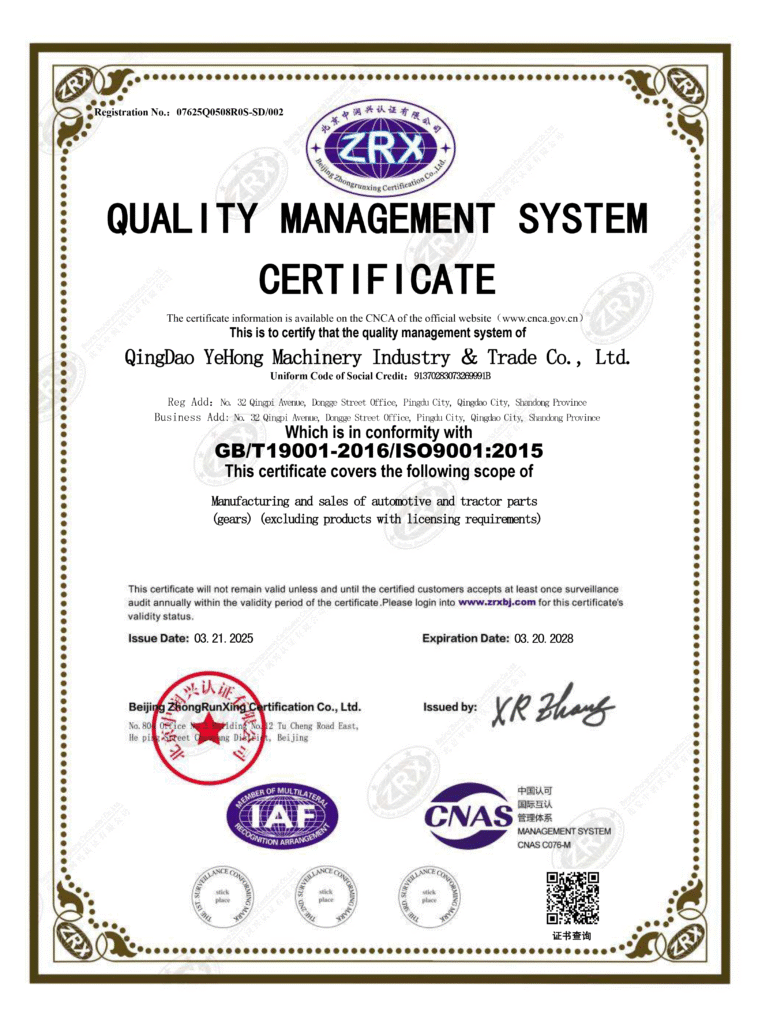
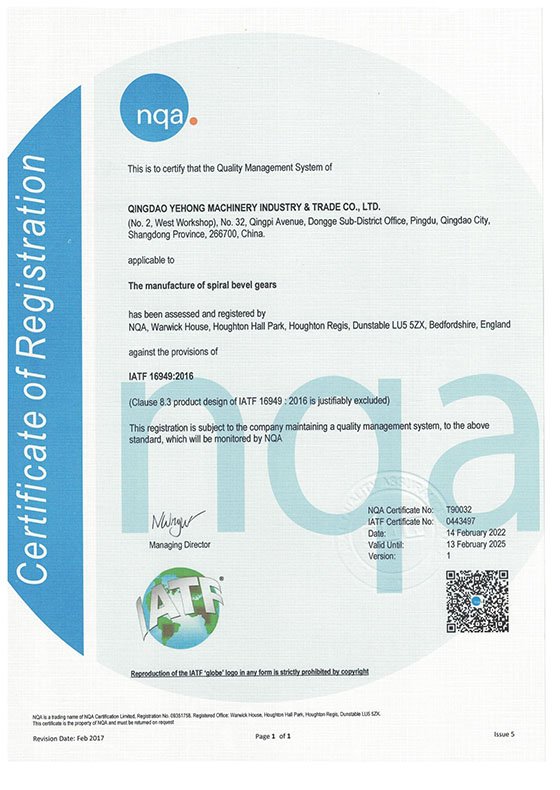
Our vehicle assembly facilities operate strictly under world-class ISO 9001 and IATF 16949 automotive quality standards. Because our upper structures are integrated directly onto certified strategic chassis from trusted heavyweights like Wuzheng, Shifeng, and Qingte, all primary frame designs, suspension systems, and drivetrain assemblies strictly adhere to universal international standards. This makes sourcing replacement parts simple worldwide. Furthermore, our engineering team optimizes transmission gear ratios based on empirical fleet operational data. Combining streamlined cab profiles with high-torque, fuel-optimized engines ensures that your logistics network achieves the industry’s lowest Total Cost of Ownership (TCO).
Conclusion & Call to Action
The engineering behind high-compression refuse collection fleets is far more than just mounting steel plates onto a standard truck chassis. It is a highly sophisticated discipline that merges structural physics, advanced fluid dynamics, and micron-level geometric assembly audits. Investing in commercial vehicles backed by IATF 16949 quality credentials, optimized high-tensile alloy steel builds, and expert technical review panels is your ultimate guarantee for securing winning government bids and outperforming the competition in daily waste logistics.